

Hearing that you need a root canal can bring up a lot of questions, especially if you have never had one before. The procedure has a reputation for being intimidating, but the reality is far more routine. Root canal therapy is one of the most common treatments performed in endodontic offices, and for most patients it is a straightforward way to relieve pain and save a tooth that might otherwise need to be extracted.
At Vertex Endodontics, our team works with patients every day who come in with concerns about the procedure. We also have a highly trained team using the latest endodontic technology to help make this treatment as comfortable as possible. Here is a general overview of what to expect.
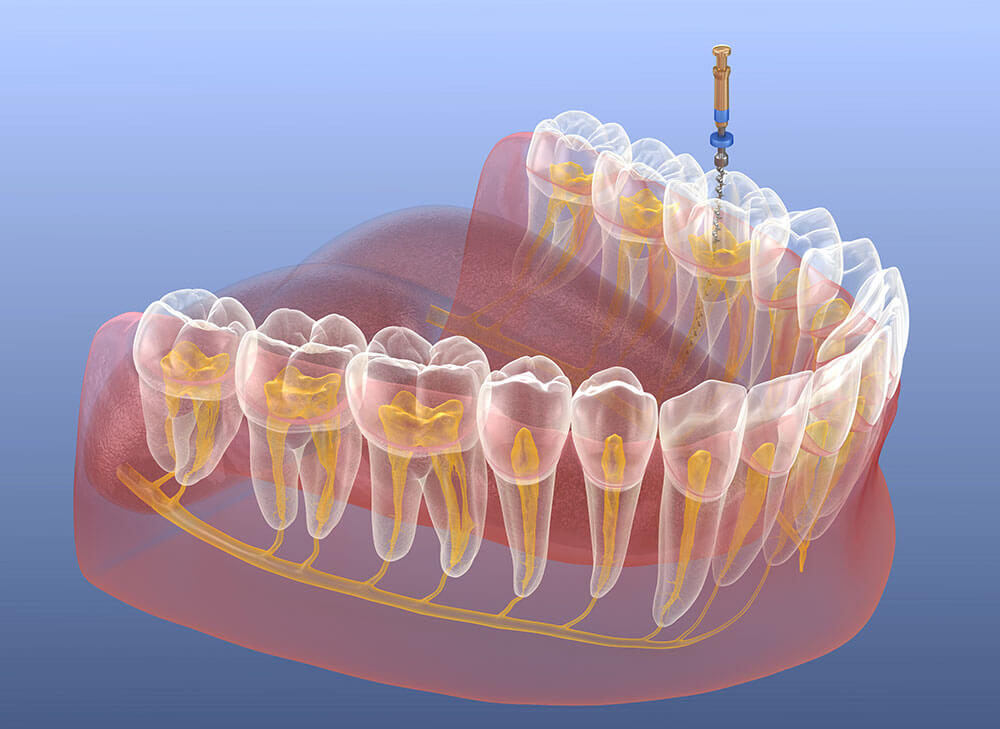
What Is a Root Canal, and Why Is It Performed?
A root canal is an endodontic treatment used to address infection or damage that has reached the inner portion of a tooth, known as the dental pulp. The pulp contains nerves and blood vessels that help a tooth develop, but once a tooth is fully formed, it can survive without them. Removing infected or inflamed pulp tissue allows the tooth to be preserved rather than extracted.
Root canal therapy is typically recommended when decay, a crack, or repeated dental work has allowed bacteria to reach the pulp, causing infection or significant inflammation. Left untreated, this type of infection can spread and lead to more serious complications.
What to Expect at Your Appointment
Every root canal case is different, and the specifics of your treatment will depend on the tooth involved, the extent of the infection, and your individual anatomy. Your endodontist will review your symptoms and take detailed diagnostic images before making any treatment decisions. At Vertex Endodontics, many of our offices use 3D imaging to get a precise view of the root structure and surrounding bone, which helps guide treatment planning.
In general, patients can expect the area to be fully numbed before any treatment begins. Your endodontist will confirm that you are comfortable and will not proceed until the tooth and surrounding tissue are completely anesthetized. Most patients are surprised by how manageable the experience is once the tooth is numb.
For patients who feel significant anxiety about dental treatment, our offices also offer sedation therapy options. Sedation is not one-size-fits-all, and our team will discuss what is appropriate for you based on your health history and level of concern.
Why Would You Need a Root Canal?
A root canal becomes necessary when the dental pulp has been compromised in a way that cannot be resolved with a filling or other surface-level treatment. Common reasons include:
- Deep decay that has reached the inner nerve of the tooth
- A cracked or fractured tooth that allows bacteria to enter the pulp
- Repeated dental procedures on the same tooth over time
- A dental injury or trauma that damages the tooth’s internal structures
If your tooth was injured in an accident or sports-related incident, our team also provides dedicated trauma management to assess the damage and determine the most appropriate course of care.
Does a Root Canal Hurt?
This is one of the most common concerns patients bring up, and it is worth addressing directly. A root canal performed by a skilled endodontist should be a comfortable experience. The area is fully numbed before treatment begins, and most of the discomfort patients associate with root canals actually comes from the infection itself, not the procedure used to treat it.
Most patients report that their appointment was far more manageable than they expected. Some mild soreness in the area is normal for a day or two after treatment, but this typically resolves quickly and can be managed with over-the-counter pain relievers as directed by your endodontist.
How Long Does a Root Canal Take?
Treatment time varies depending on which tooth is being treated and how complex the case is. Front teeth generally have simpler root anatomy than molars, which can have several canals with curved or narrow shapes that require more time to treat carefully. Your endodontist will be able to give you a better estimate after reviewing your diagnostic images and examining the tooth.
What If a Treated Tooth Still Hurts?
A successfully treated tooth can last a lifetime, but on occasion a tooth that has already had a root canal can develop problems again. This can happen if the original infection was not fully resolved, if new decay develops around the restoration, or if the tooth sustains additional damage over time.
When this happens, extraction is not always the only option. Root canal retreatment allows an endodontist to reopen the tooth, address the source of the new problem, and give the tooth another opportunity to heal. Many teeth that might otherwise need to be pulled can be saved with retreatment.
Schedule a Root Canal Consultation
If you have been told you need a root canal, or you are dealing with persistent tooth pain, sensitivity, or swelling, the team at Vertex Endodontics is here to help. We focus exclusively on endodontic care, which means you are being treated by specialists who perform this procedure every day.
We accept PPO dental insurance and work with each patient to review coverage and available payment options before treatment begins. You can learn more on our insurance and financial policy page.
Call us at 773-373-0790 or request an appointment online to schedule a consultation at the Vertex Endodontics location nearest you.
Frequently Asked Questions
Is a root canal a one-visit procedure?
It depends on the case. Many root canals are completed in a single appointment, but more complex situations or active infections may require a follow-up visit. Your endodontist will explain the expected timeline at your initial exam.
Can I drive myself home after a root canal?
In most cases, yes. Local anesthesia does not affect your ability to drive. However, if you opt for a form of sedation beyond local anesthesia, you will need to arrange a ride to and from your appointment.
Will I need a crown after my root canal?
Most teeth that have had root canal therapy benefit from a crown or other permanent restoration to protect against future fracture. Your endodontist will discuss the appropriate next step and coordinate with your general dentist for the final restoration.
What happens if I delay treatment?
Waiting on a recommended root canal allows the underlying infection to progress, which can cause additional pain, swelling, and a higher likelihood of losing the tooth entirely. Addressing the problem early typically leads to a more straightforward treatment and a better long-term result.
Why see an endodontist instead of a general dentist for a root canal?
Endodontists complete an additional two to three years of specialty training beyond dental school, focused entirely on diagnosing tooth pain and treating the inner structures of teeth. For complex cases or patients with dental anxiety, an endodontic specialist is often better equipped to deliver precise, comfortable care.
Disclaimer
This content is intended for general informational purposes only and does not constitute medical or dental advice. Every patient’s situation is unique, and treatment experiences may vary. Please consult with a qualified dental professional for guidance specific to your individual needs and circumstances.